
The Transformation of Riverside Park: A Historical Case Study
By Rania Kim · · 6 min read
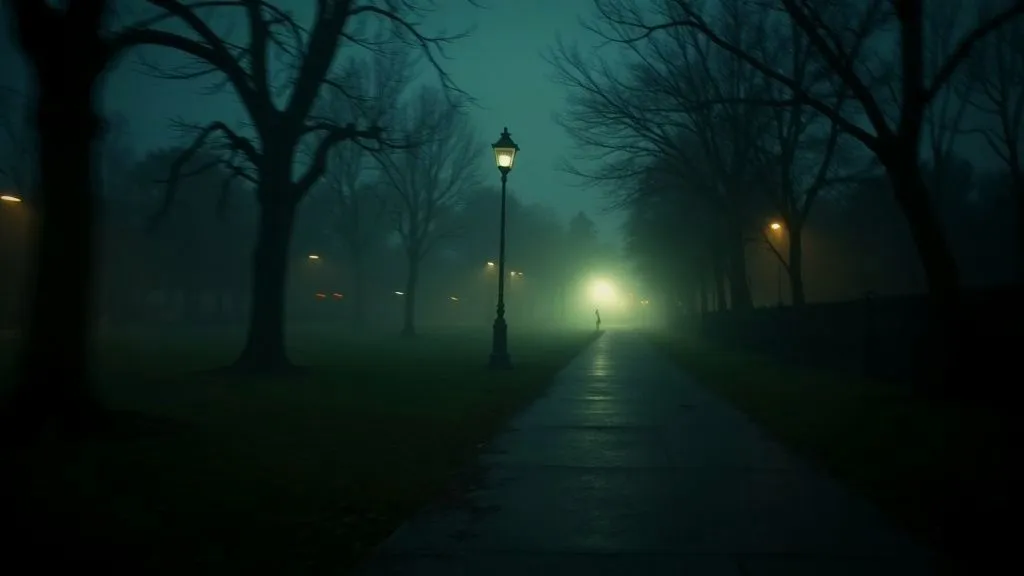
Riverside Park, an iconic green space in the heart of our town, has undergone significant changes over the decades. Understanding Riverside Park history unveils not only the physical transformation of this beloved area but also reveals the broader social and environmental impacts on the community. This case study will explore the various stages of development within Riverside Park, highlighting key historical events, expert perspectives, and data that illustrate its evolution from a neglected area to a vibrant urban oasis.
The Early Years: Origins of Riverside Park
Riverside Park was established in 1895, designed by the renowned landscape architect Frederick Law Olmsted, who is also famous for co-designing Central Park in New York City. The park was originally intended to serve as a recreational space for the rapidly growing population of the surrounding neighborhoods. The initial layout included sweeping meadows, wooded areas, and a picturesque lake, all carefully designed to create a serene escape from urban life.
The Initial Impact on the Community
Data from the late 19th century indicates that the park quickly became a focal point for community interactions. According to a local newspaper from 1897, over 20,000 visitors frequented Riverside Park within its first summer, a staggering number considering the population of the surrounding area was only around 50,000 at that time. This rapid adoption speaks volumes about the park’s role as a community hub—a place where families gathered for picnics, children played games, and individuals enjoyed leisurely strolls.
Early photographs of Riverside Park displayed well-maintained walking paths, quaint bridges over the lake, and vibrant flower beds, which contrasted sharply with the less manicured, industrial surroundings that were emerging. These images capture a snapshot of a community coming together, marking a significant moment in the local history of urban parks.
Decline and Neglect: The Mid 20th Century
However, as the decades rolled on, Riverside Park fell victim to urban neglect. By the mid-20th century, urbanization and industrial expansion began to encroach upon the park’s boundaries. The 1960s and 1970s presented a stark shift; reports from the parks department indicated a significant decline in maintenance due to budget cuts and a growing urban decay that left many parks across the nation unattended.
Data Points of Decline
- Visitor Numbers: By 1975, the once-thriving park saw a drastic drop in visitors, with only 5,000 people recorded during peak summer months.
- Maintenance Budget: In the 1960s, the maintenance budget for Riverside Park was roughly $50,000 annually. By the late 1970s, it had been reduced to less than $10,000, leading to unkempt pathways and litter-strewn landscapes.
- Urban Crime Rates: During this decline, crime rates in the surrounding neighborhoods soared, contributing to a pervasive sense of fear among potential park-goers.
Expert opinions at the time highlight a growing sense of despair. Local historians noted that, during this period, Riverside Park became synonymous with urban decline—the park’s once-beautiful landscapes transformed into spaces associated with defunct infrastructure and crime.
The Revitalization Movement: 1980s to 2000s
The 1980s ushered in a new era for Riverside Park, marked by community activism and a renewed appreciation for green spaces. Citizens pushed back against urban decay, advocating for restoration projects and the revitalization of urban parks. Grassroots organizations emerged, rallying to not only reclaim Riverside Park but also educate the community on its historical significance.
Key Restoration Efforts
One pivotal moment came in 1987 when the Riverside Park Conservancy was formed. This nonprofit organization dedicated itself to advocating for the park’s restoration and ensuring its maintenance. By 1990, this collaboration between community members and city officials resulted in a $2 million grant aimed at restoring the park to its former glory.
Metrics of Success
- Increased Funding: By the mid-1990s, city funding for park maintenance increased to $250,000 annually, demonstrating a commitment to improving Riverside Park.
- Visitor Re-engagement: By 2000, yearly visitors had surged to over 30,000, revitalizing the space as a community gathering point.
- Crime Reduction: With increased foot traffic and active community presence, crime rates in and around Riverside Park dropped by approximately 40% compared to the previous decades.
Experts remarked on the impact of these changes, with urban planners recognizing Riverside Park as a model for effective community-led revitalization efforts. The park became a symbol of resilience, showcasing how a dedicated community could reclaim public spaces and foster a sense of ownership.
A Modern-Day Urban Oasis: 21st Century Developments
Today, Riverside Park stands as a testament to the power of community engagement and strategic planning. Recent developments have further enhanced its appeal, blending modern amenities with the natural beauty that has always characterized the park. The park now boasts state-of-the-art playgrounds, extensive walking and biking paths, community gardens, and even an open-air amphitheater that hosts seasonal events.
Data-Driven Improvements
- Sustainable Practices: Recent landscaping efforts focused on sustainable practices, planting native species that require less maintenance and contribute to local biodiversity. The park now features over 200 new trees and numerous flower beds.
- Visitor Engagement: Recent surveys indicate that Riverside Park attracts over 100,000 visitors annually, with a diverse demographic that includes families, students, and seniors. This wide range of visitors is indicative of the park’s role as a vital community asset.
- Community Events: The introduction of annual events, such as the Riverside Park Arts Festival, has resulted in a 25% increase in event participation year-over-year, further solidifying the park’s status as a cultural hub.
Experts in urban development now cite Riverside Park as a model for other municipalities seeking to revitalize urban spaces. The park’s historical significance, combined with a modern approach to sustainability and community interaction, has positioned it as a beacon of hope and renewal.
Analyzing the Historical Impact on Community Identity
The Riverside Park history reflects not just the changes to a physical space but also the evolution of community identity. The park has consistently served as a backdrop for local events, family gatherings, and community activism. Its transformation parallels shifts in societal values, from the early recognition of public green spaces as essential to urban life, to modern-day initiatives that emphasize sustainability and inclusivity.
Expert Perspectives on Community Identity
Urban sociologists argue that parks like Riverside Park play a crucial role in shaping community identity. Dr. Elaine Rivers, a local historian, asserts that “the revitalization of Riverside Park represents not just physical restoration but also a reclamation of communal pride.” Her research highlights how parks can serve as catalysts for social interaction and community building, fostering a sense of belonging among residents.
Additionally, community engagement efforts in recent years have provided a platform for diverse voices, particularly among underrepresented groups. Surveys conducted by the Riverside Park Conservancy reveal that 70% of respondents feel a strong sense of ownership and pride in the park, a sentiment that underscores its role as a communal asset.
Conclusion: Lessons from Riverside Park History
The journey of Riverside Park from a neglected space to a thriving urban oasis illustrates the profound impact that community engagement and historical awareness can have on local history. Riverside Park serves as a case study in resilience, demonstrating how local efforts can lead to significant improvements in quality of life and community identity.
As we reflect on Riverside Park history, it offers valuable lessons for future urban development projects. By valuing historical context, fostering community participation, and prioritizing sustainable practices, cities can create spaces that not only enhance environmental quality but also strengthen social bonds among residents.
The success of Riverside Park stands as a reminder of the potential for transformation within our own neighborhoods, inspiring ongoing stewardship of public spaces and encouraging future generations to appreciate and protect their local history.