
Unveiling the Transformation: Peebles from 1900 to 1950
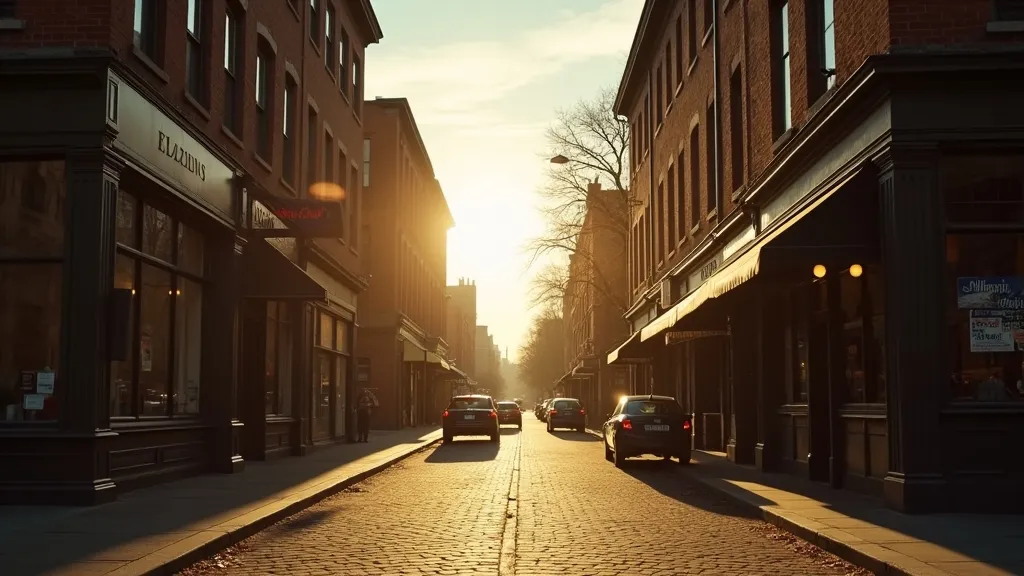
The history of Peebles between 1900 and 1950 marks a significant period of transformation for this quaint Scottish town. From the impact of the two World Wars to the cultural shifts that reshaped everyday life, this era brought both challenges and changes that left an indelible mark on Peebles. This piece touches on “Part II: 1900 - 1950 History of Peebles”, with context drawn from prior reporting on the topic.
The Early 20th Century: A New Century Dawns
The dawn of the 20th century brought optimism and an influx of new ideas to Peebles. In these early years, the town was already recognized for its rich agricultural backdrop and distinctive architectural heritage. The 1901 census recorded a population of approximately 3,500 residents, a modest number reflecting a close-knit community.
In terms of infrastructure, the railway had a profound impact. The arrival of the Peebles Railway in the 1850s had already begun to change local commerce, but by 1900, the rail links became critical for trade and tourism. The scenic beauty of the surrounding hills attracted visitors from Edinburgh and beyond, establishing Peebles as a destination for relaxation and recreation.
The Role of Industry and Agriculture
Agriculture remained the backbone of Peebles’ economy during this time. Local farmers cultivated various crops, with a significant focus on barley and sheep farming. Craftsmanship also flourished in this period; the production of tweed and textiles became a point of pride, with local artisans gaining recognition for their high-quality products.
The establishment of local businesses like the Peebles Brewery in 1826 further stimulated the economy. Although it was a century older, its influence persisted well into the 20th century, providing jobs and supporting the local community.
The Impact of the World Wars
The First World War (1914-1918) cast a long shadow over Peebles, as it did for many towns across the UK. Many young men enlisted and left for the frontlines, profoundly affecting the demographic landscape of the town. The war claimed the lives of numerous residents, and memorials were erected throughout Peebles, honoring those who served and sacrificed.
After the war, the economic landscape began to shift. The 1920s brought challenges, including a post-war slump that affected agriculture and industries. However, the community rallied, and by the late 1920s, Peebles saw a revival in local business. Shops began to thrive again, and social venues like the local cinema became popular gathering places.
The Interwar Years: Cultural Flourishing
During the interwar years, Peebles began to undergo cultural changes. The town’s population had become more diverse, with new residents bringing different perspectives and traditions. The introduction of new leisure activities, such as golf at the Peebles Golf Club founded in 1891, added to the town’s social fabric.
The formation of community groups and clubs in the late 1920s and 1930s encouraged civic engagement. Initiatives like the Peebles Highland Games celebrated local culture and heritage, showcasing traditional Scottish sports and music. This sense of community spirit was vital in navigating the challenges ahead.
World War II: A Time of Resilience
The outbreak of World War II in 1939 once again transformed the town as many young men enlisted to fight. Women took on roles traditionally held by men, working in factories and supporting the war effort. In Peebles, local industries pivoted to meet wartime needs, highlighting the resilience of the community.
Air raid precautions were implemented, and the town prepared for potential threats. Despite the turmoil of war, there was a sense of unity among residents, as they came together to support one another through rationing and shortages.
Post-War Reconstruction and Change
Following the war’s end in 1945, Peebles, like much of the UK, faced the daunting task of reconstruction. The government introduced various housing initiatives aimed at addressing the shortage of homes. Plans were drawn up for new council housing, significantly altering the landscape of the town.
Many veterans returned home and reintegrated into the community. The 1950s would bring new opportunities for economic development, but the groundwork laid during the war years was vital in shaping Peebles’ future. Local schools and institutions began to adapt to a post-war society, emphasizing education and community engagement.
Conclusion: Reflecting on a Defining Era
The period from 1900 to 1950 marked a transformative chapter in the history of Peebles, characterized by both challenges and triumphs. The effects of two World Wars, coupled with cultural shifts, reshaped the community’s identity and resilience.
As we reflect on the past, it is essential to recognize the foundations laid during these decades. The spirit of collaboration, community, and the commitment to growth initiated during this time continues to resonate in Peebles today. For those interested in a deeper dive into this pivotal era, the article titled Part II: 1900 - 1950 History of Peebles offers a comprehensive overview of the town’s evolution.
The legacy of this period is evident in today’s Peebles, where history remains a vital part of community identity. Understanding the past allows us to appreciate the present and inspire future generations. For more detailed insights into Scottish history, Scottish History provides an excellent resource on the broader historical context. Furthermore, the National Archives offer extensive documentation that can enhance any local history study.